 Arrow
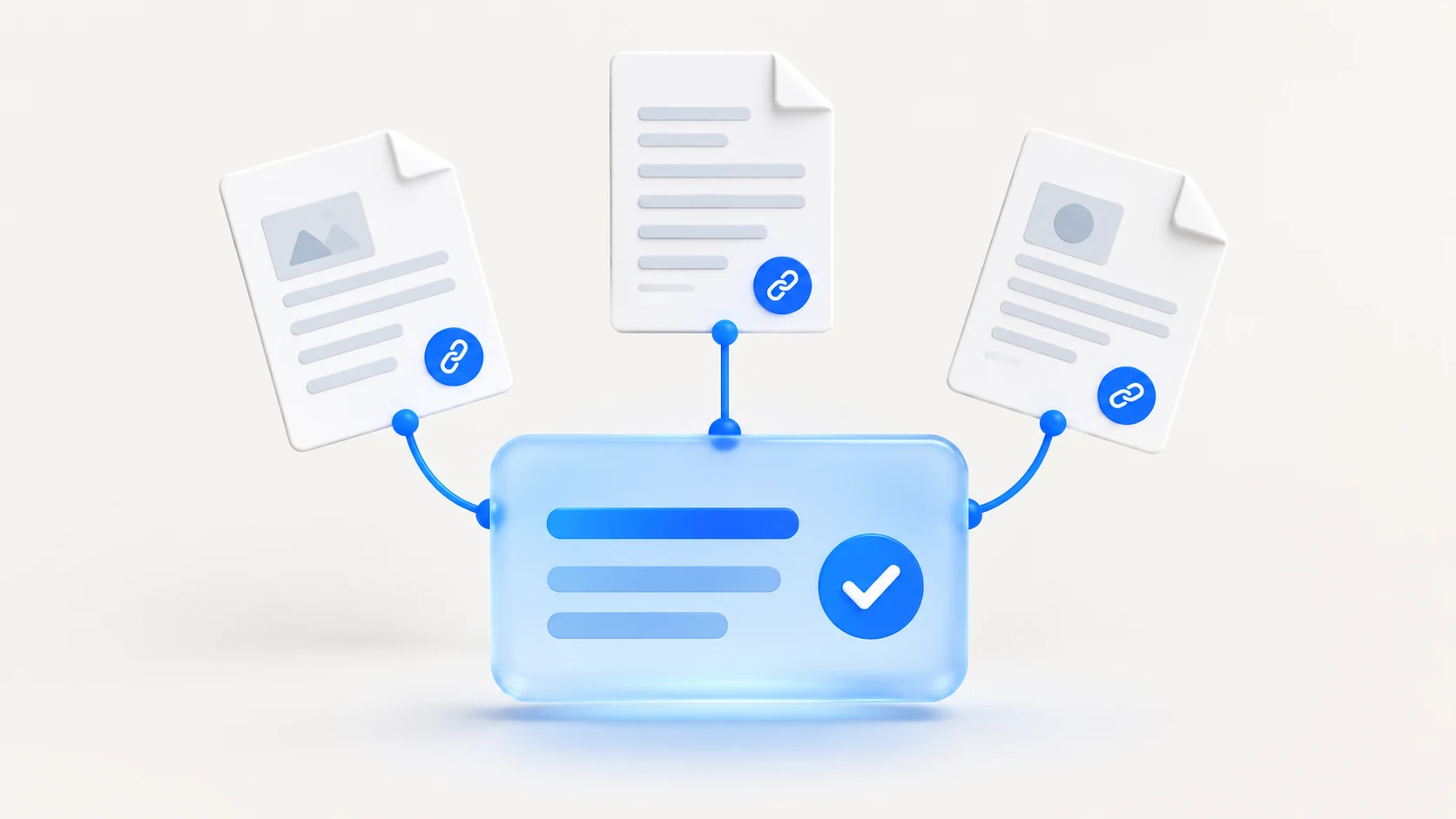
Name the entities responsible for the platform, the underlying service and customer support using reviewed public information. Explain how those roles affect the customer’s workflow. A partner logo alone does not establish who provides an account, holds a relationship or handles a service issue.
Describe responsibility at each step
Map the user action to the responsible entity and relevant terms. Link public statements about authorization or safeguards to the exact approved source and scope. Recheck these pages when a partner changes rather than letting historical descriptions imply a current arrangement.
Keep the sector facts verifiable
The product and risk owners should review supported workflows, customer types and public statements about permissions or safeguards. Identify the legal entities and partners involved using approved material. Keep process guidance separate from financial advice and from claims of regulatory status that have not been verified.
What to check
- Identify the entity behind each service step.
- Review partner and status statements.
- Update explanations when arrangements change.
A practical example
An illustrative platform page separates its software-support role from the partner’s account-service role and links to the appropriate customer terms for each.
Sources and further reading
These steps are Arrow AI's implementation guidance. The example is illustrative; it is not a measured customer result. Publication and source access do not guarantee an AI recommendation.
Apply this to your website
Identify the source gaps and decide what to improve with Arrow's free audit. Review what Arrow GEO measures before choosing a reporting scope.