 Arrow
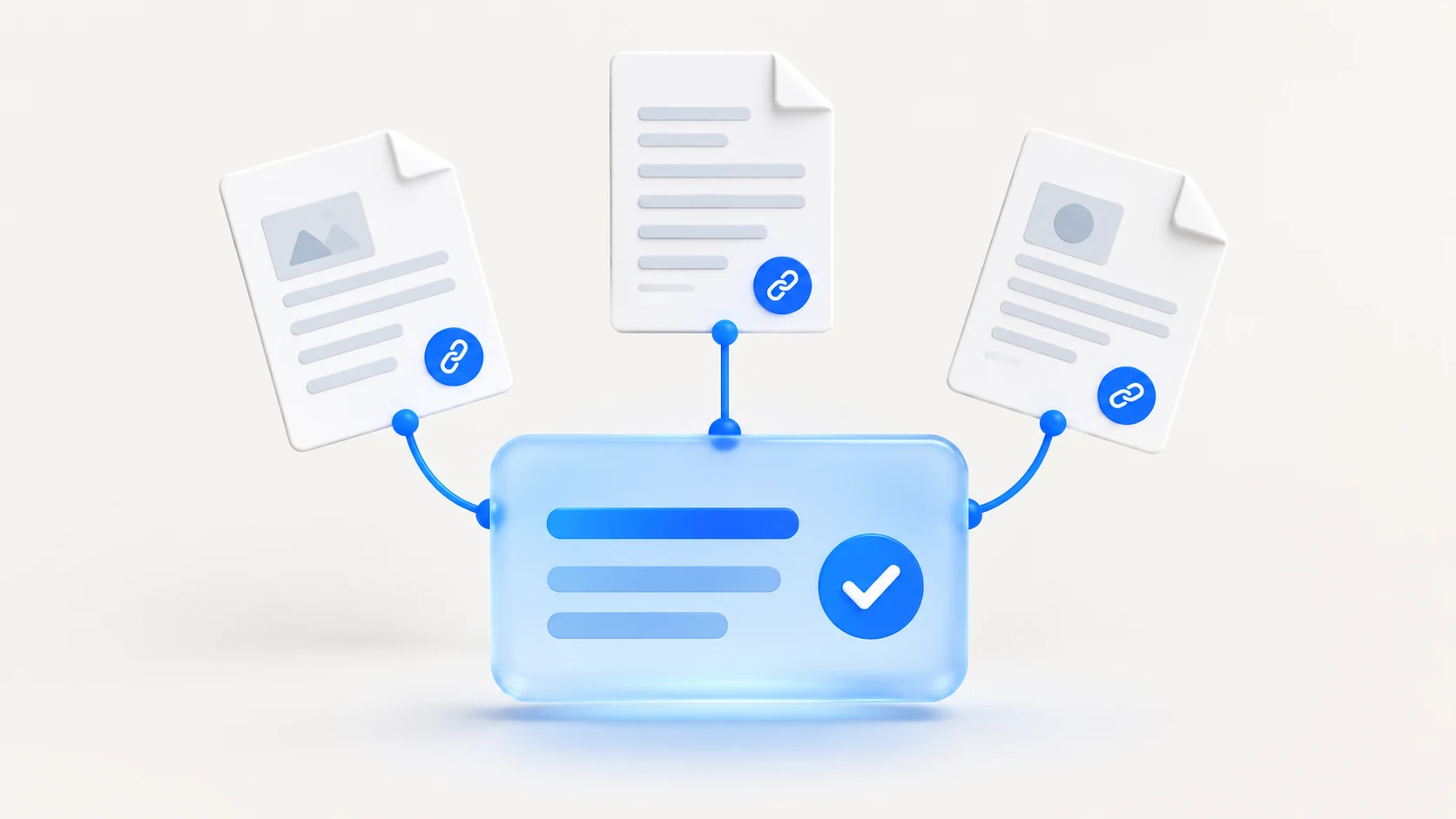
Describe supported customer types, markets, review stages and the information categories requested during onboarding. Explain which party decides whether an account can be activated. Avoid promising approval or a universal activation time before the required review is complete.
Set expectations before document collection
Explain the sequence from inquiry to approved access and identify the secure route for records. Distinguish a product demonstration from customer onboarding. If some activities or markets are outside scope, make those limitations visible in reviewed eligibility information.
Keep the sector facts verifiable
The product and risk owners should review supported workflows, customer types and public statements about permissions or safeguards. Identify the legal entities and partners involved using approved material. Keep process guidance separate from financial advice and from claims of regulatory status that have not been verified.
What to check
- Confirm supported customers and markets.
- Identify approval stages and decision owners.
- Keep records in the approved onboarding channel.
A practical example
A sample business-payment platform explains that completing a demonstration does not activate an account; the applicant follows a separate reviewed onboarding process.
Sources and further reading
These steps are Arrow AI's implementation guidance. The example is illustrative; it is not a measured customer result. Publication and source access do not guarantee an AI recommendation.
Apply this to your website
Identify the source gaps and decide what to improve with Arrow's free audit. Review what Arrow GEO measures before choosing a reporting scope.