 Arrow
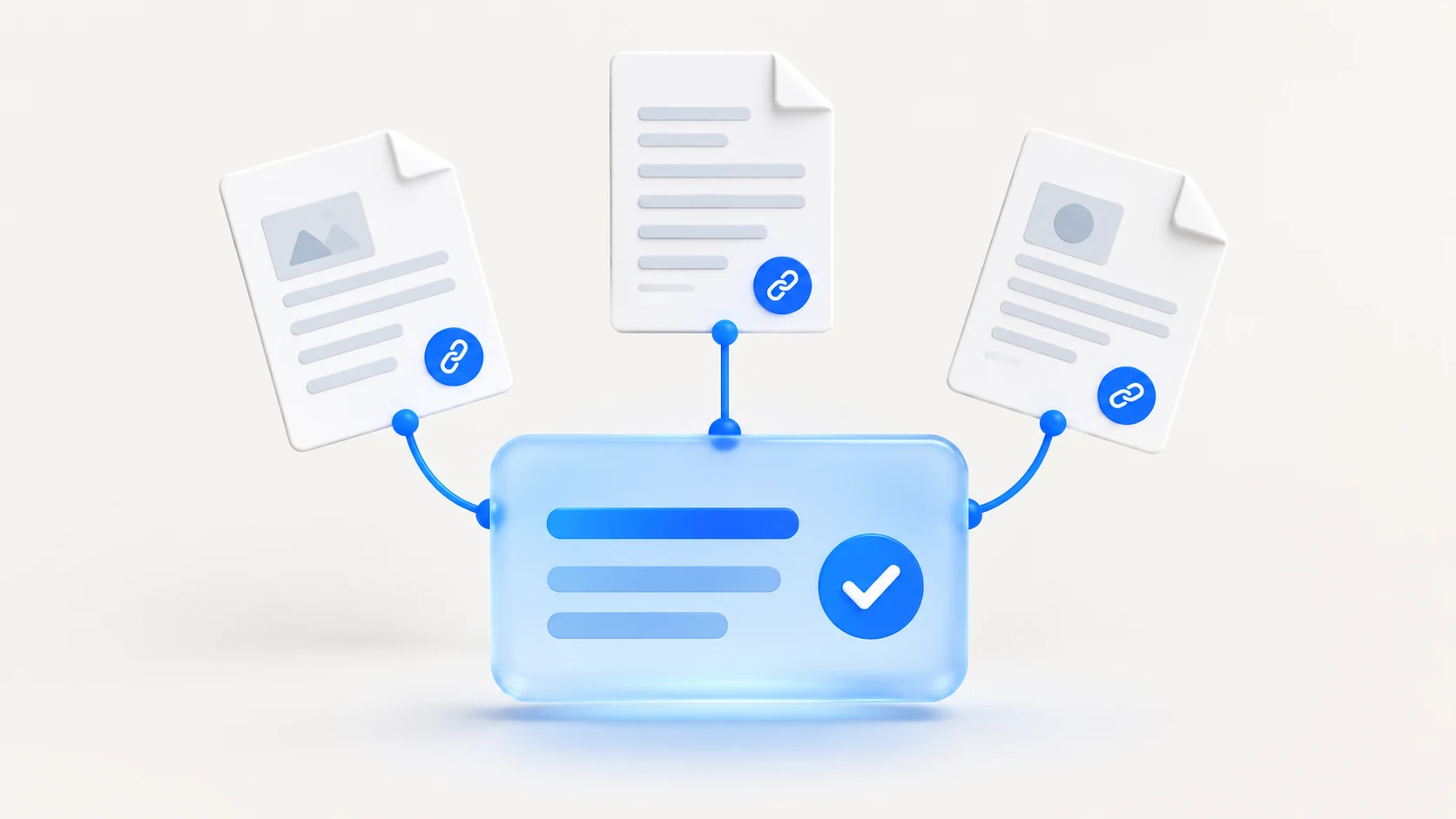
Maintain one authoritative property record, identify the listing status and update related pages when that status changes. Show how a buyer confirms current availability. Correct the public source and relevant distribution records before evaluating whether an AI answer still repeats an outdated description.
Track the status across sources
Connect the listing page, downloadable brochure and comparison content to the same property identifier. Assign an owner to changes such as under offer, withdrawn or unavailable. Retain dated evidence when reviewing external discrepancies; editing the website does not establish that every downstream source has refreshed.
Keep the sector facts verifiable
Give listing identity, status, photographs and descriptive facts a named owner. Separate a verified property attribute from an estimate, proposed improvement or neighborhood opinion. Public content should explain the transaction process without making personalized legal, financial or investment determinations for the reader.
What to check
- Use a consistent property identifier.
- Update brochures and related comparisons.
- Record external correction requests and observations.
A practical example
An illustrative property becomes unavailable. The team updates its listing and linked shortlist, then logs any AI response that still describes it as available for follow-up.
Sources and further reading
- Google Search Central: generative AI search guidance
- Google Business Profile: accurate business representation
These steps are Arrow AI's implementation guidance. The example is illustrative; it is not a measured customer result. Publication and source access do not guarantee an AI recommendation.
Apply this to your website
Identify the source gaps and decide what to improve with Arrow's free audit. Review what Arrow GEO measures before choosing a reporting scope.