 Arrow
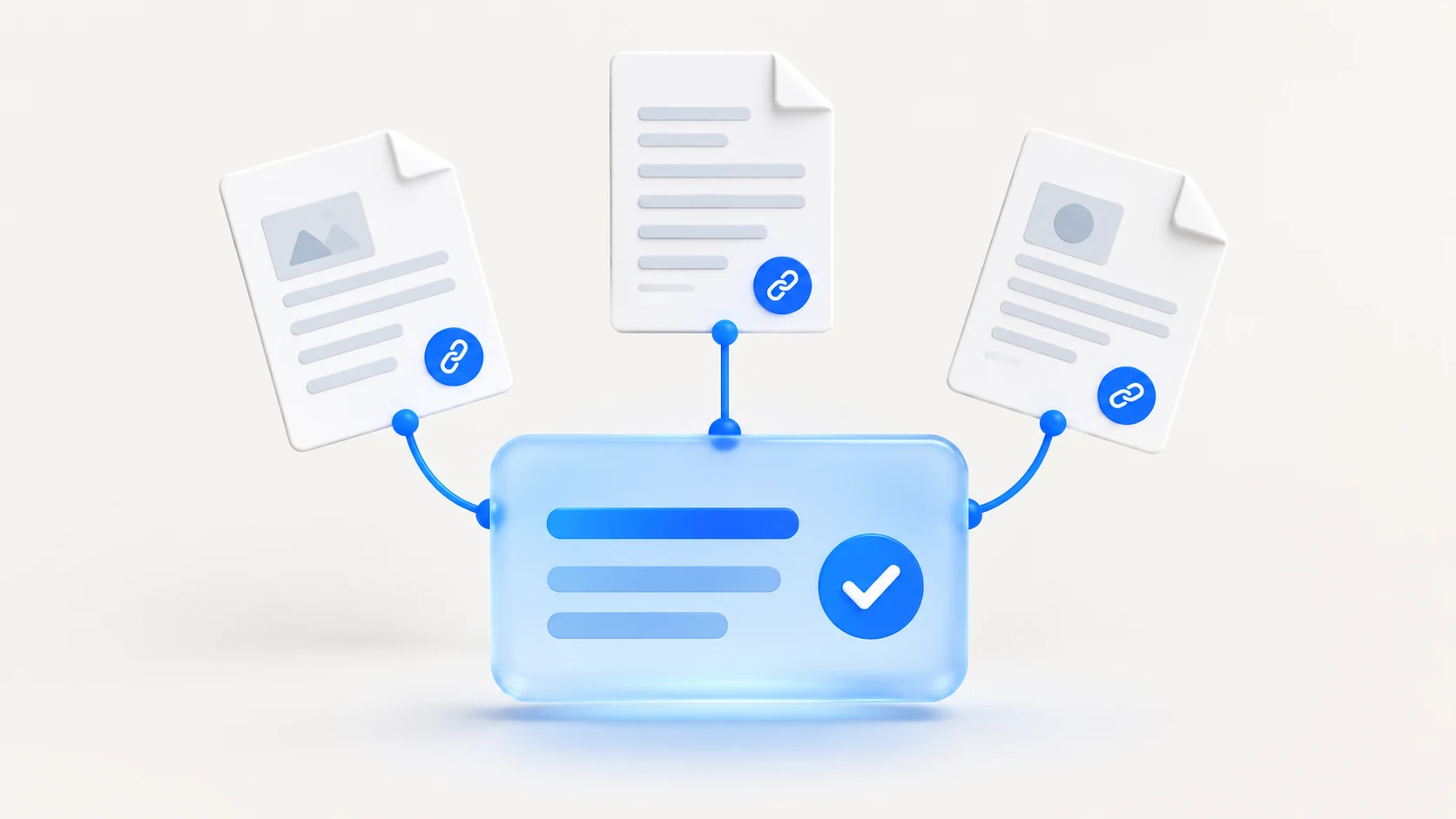
Explain who should attend, what the discussion covers, which background information is useful and what follows the meeting. State whether discovery is an introductory conversation or a paid diagnostic. Buyers should understand the decision the meeting enables before committing time or sharing material.
Ask for useful context
Request a problem description, current process and constraints at an appropriate level of detail. Keep sensitive documents out of open forms. Describe when the team will propose an engagement, decline a poor fit or recommend a smaller next step.
Keep the sector facts verifiable
Publish the consulting work the team can substantiate: problem, activities, client responsibilities and resulting deliverables. Label sample projects as illustrative. A client reference needs permission and enough context to distinguish the consultant’s contribution from the client’s wider business results.
What to check
- State whether discovery is paid.
- List participants and useful preparation.
- Describe the next decision after the meeting.
A practical example
A sample supply-chain consultation asks for the bottleneck and operating constraints, then explains that a document review is proposed separately if the initial discussion identifies a fit.
Sources and further reading
These steps are Arrow AI's implementation guidance. The example is illustrative; it is not a measured customer result. Publication and source access do not guarantee an AI recommendation.
Apply this to your website
Identify the source gaps and decide what to improve with Arrow's free audit. Review what Arrow GEO measures before choosing a reporting scope.