 Arrow
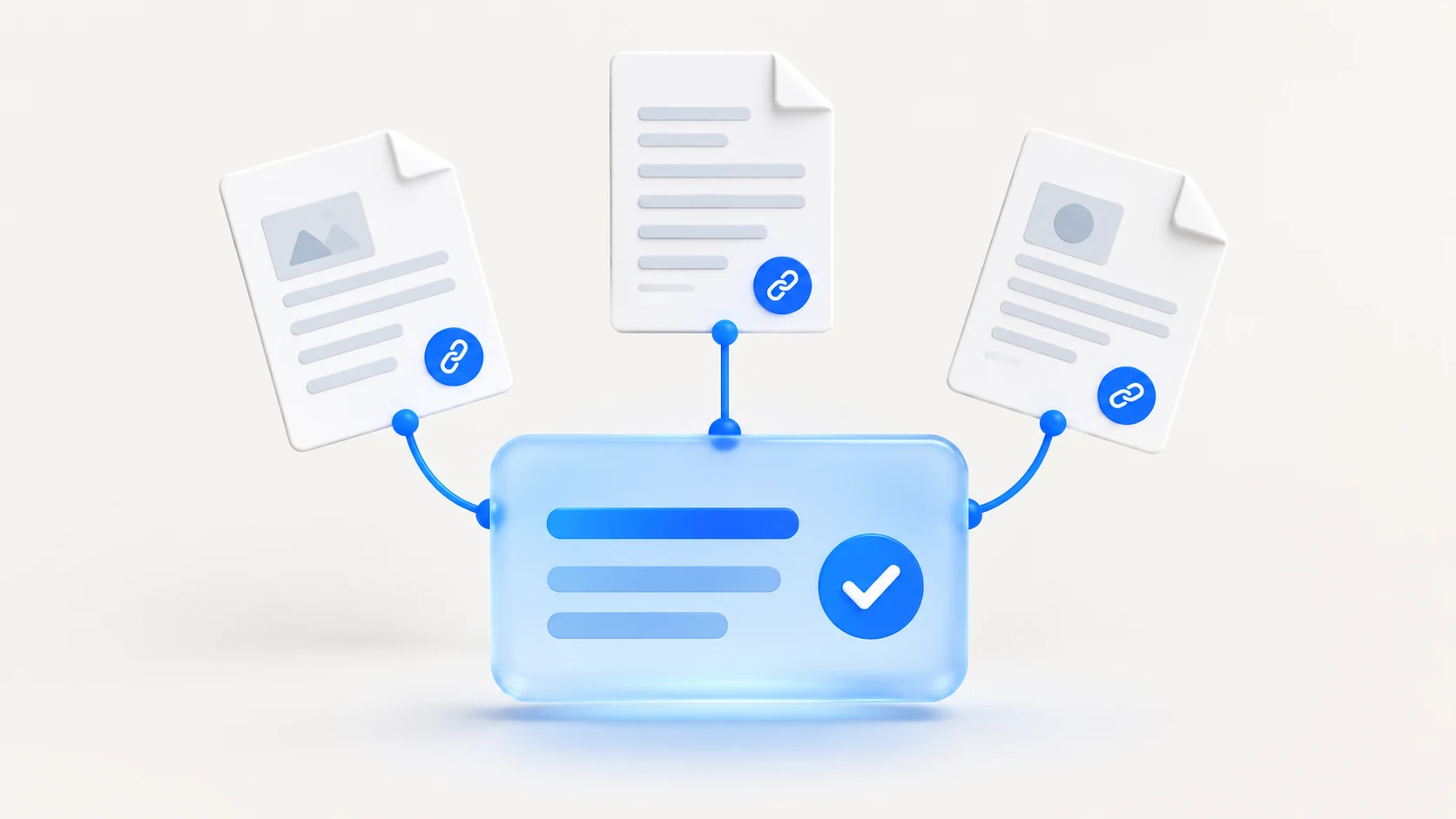
Explain the stages from address review to survey, scheduling, installation and service acceptance. Identify the customer’s access responsibilities and the parties involved. Distinguish an estimated lead time from a confirmed appointment or activation date.
Make the handover testable
Describe what the installation team needs at the premises and how changes are communicated. Explain the acceptance checks and where support responsibility begins. If an existing connection is being replaced, identify the coordination step without assuming that every migration can occur without interruption.
Keep the sector facts verifiable
Network and service owners should verify coverage, advertised performance measures and installation dependencies. Distinguish address-level confirmation from a broad coverage map. Keep managed equipment, connectivity and support responsibilities explicit; a proposed service level should refer to the actual agreement and conditions.
What to check
- Identify survey, access and scheduling dependencies.
- Separate estimated and confirmed dates.
- Explain acceptance and support handover.
A practical example
An illustrative office installation requires permission to access a shared equipment room. The preparation answer makes that dependency visible before the team confirms the appointment.
Sources and further reading
- Google Search Central: generative AI search guidance
- Google Business Profile: accurate business representation
These steps are Arrow AI's implementation guidance. The example is illustrative; it is not a measured customer result. Publication and source access do not guarantee an AI recommendation.
Apply this to your website
Identify the source gaps and decide what to improve with Arrow's free audit. Review what Arrow GEO measures before choosing a reporting scope.